
Progressive multipliers can transform an ordinary spin into a session-changing win, yet many players still view them as random surprises rather than features they can understand and control. In Pirots, these multipliers grow through a blend of symbol collection, reel upgrades, and bonus triggers that benefit patient play. Understanding how the meter fills, when it resets, and which bets actually speed up it gives players a practical edge. This guide walks through the mechanics that matter, from reel layout and RTP to the exact steps required to unlock the biggest multipliers without wasting bankroll.
Grasping Pirots Reel Structure and Winning Methods
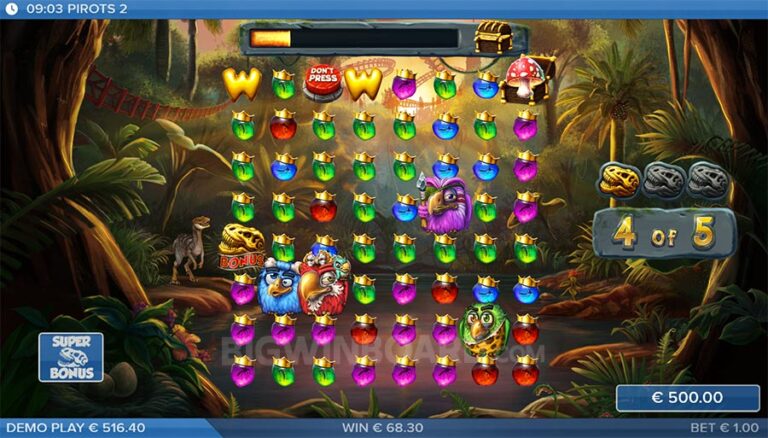
Pirots uses a six-reel, four-row grid that expands during the base game every time a pirate parrot touches down on reel one or six. Each expansion adds a new row, forming up to six rows and 4,096 ways to win. Instead of traditional paylines, identical symbols pay when they occur on consecutive reels commencing from the leftmost position. This structure implies the value of any single spin hinges less on line patterns and primarily on how many matching symbols settle across adjacent reels. Players who understand the expansion trigger can anticipate when the grid grows and modify their expectations for payout frequency in response.
The base grid pays for three or more identical symbols, but the payout table scales sharply once four, five, or six symbols line up. Because the game calculates adjacent reels rather than fixed lines, two symbols on reel one and two symbols on reel two can combine into four winning combinations in a single spin. This flexibility rewards steady betting rather than chasing rare line hits. Checking the paytable before each session verifies the exact credit values linked to each symbol count and assists players identify when the expanding grid is poised to deliver above-average returns.
Scatter Icons, Free-Spin Entry, and Meter Progression
At least three scatter symbols anywhere on the grid initiate the free-spin bonus. The total spins awarded is ten plus two extra spins for each scatter beyond the third. Importantly, the progressive multiplier meter stays active when free spins begin; instead, it persists and keeps increasing with every spin within the round. This mechanic makes the bonus highly advantageous for players who have invested dozens of base-game spins building the meter.
Throughout free spins, scatters reappear at an elevated rate, and every additional scatter adds two extra spins plus five multiplier points. Since the round can be retriggered multiple times, sessions that enter the bonus with an already elevated meter often see multipliers climb into double digits before the round concludes. Players observing the meter at level five or above should consider increasing their bet slightly before the next spin, aiming to enter the bonus at a higher contribution rate without risking their bankroll.
Increasing Jackpot Mechanism and How the Pool Grows
Pirots includes a triple-tier progressive jackpot linked to the main multiplier meter. The meter has to reach level twenty before the mini jackpot becomes active, level forty for the midi, and level sixty for the maxi. Each level requires an increasing number of points, and the jackpot value displayed above the grid increases with every bet made by any player on the network. When a player hits three special golden parrot symbols on an active jackpot reel, the relevant jackpot is awarded and the meter resets to zero for that tier.
Because the jackpot contribution is a constant percentage of every bet, players can estimate how fast each tier grows by observing the on-screen values over a thirty-minute period. If the maxi jackpot increases by 500 credits during that window, a player betting 10 credits per spin can determine that roughly fifty spins account for each visible jump. This information aids in creating practical expectations for how many spins could be required to reach the next jackpot tier.
Accumulating Parrot Tokens to Enhance Reel Multipliers
Special parrot tokens occur on random spins and settle only on the outermost reels. Each token accumulated fills a progress bar shown above the grid. When the bar attains ten tokens, the game enhances one random reel with a permanent multiplier that works to every win passing through that reel. The upgrade level begins at times-two and can increase to times-five after repeated upgrades on the same reel.
Because the upgrade continues active for the remainder of the session, players benefit from keeping at their current bet level rather than reducing stakes after an upgrade. Reducing the bet reduces future contributions to the progressive meter while the upgraded reel still yields its enhanced multiplier. Maintaining the same stake keeps meter momentum and maximizes the value of the reel upgrade over the longest possible timeframe.
Return to Player, Fluctuation, and Their Impact for Multiplier Progression
Pirots reports an RTP of 96.1 percent, situating it marginally above the average for modern video slots. The figure is computed across millions of spins, so short sessions can deviate, yet the long-term expectation holds stable. Volatility is in the medium-high range, meaning base-game wins occur often enough to keep the meter moving, while the largest payouts concentrate in the bonus rounds. Players who enjoy frequent small wins may consider the base game satisfying, but those striving for progressive multipliers must endure longer dry spells between substantial hits.
Because the progressive meter moves forward on every spin regardless of outcome, volatility directly influences how quickly multipliers rise. In high-volatility stretches, the meter may sit idle for dozens of spins before a single large trigger moves it forward. Conversely, medium-volatility sequences produce steady symbol drops that push the multiplier upward in smaller increments. Understanding this rhythm helps players choose whether to increase bet size during a cold streak or conserve credits until the meter displays visible progress.
Base-Game Wilds and Their Role in Building the Meter
Wild symbols replace any regular pay symbol and appear on reels two through five. When a wild hits, it completes winning combinations and grants one point to the multimeter. The point value increases with bet size, so a wild on a 50-credit spin contributes fifty points instead of one. This mechanic compensates players who get wilds during higher-stakes play, yet it also indicates the meter can move forward even when no winning combination is created.
Wild icons sometimes carry a small multiplier of their own, displayed as a number between two and five https://pirots.games/no/. When such a wild contributes to a win, the game multiplies that win by the displayed value before incorporating the result to the progressive meter. Players should look for these special wilds because they deliver an direct payout plus an quicker meter advancement. Observing their frequency over one hundred spins provides a useful estimate of how often the meter gets these extra jumps during normal play.
Bet Range, Coin Sizes, and How Stakes Affect the Multiplier Pool
Minimum bets start at 0.10 credits per spin, while the maximum reaches 100 credits. The growing multiplier reserve scales with total wager, so a 1-credit bet adds one unit to the meter, whereas a 100-credit bet supplies one hundred units. This linear relationship means big spenders speed up meter growth faster, but they also endanger larger amounts during the certain losing streaks that precede big triggers. Low-stake players still are eligible for the same multiplier values; they simply achieve those values more slowly.
Most platforms enable players to set coin value and bet level on their own, giving granular control over total stake. Setting coin value to 0.01 and bet level to ten generates a 0.10-credit spin, the smallest available. Raising bet level to one hundred at the same coin value hits the 1-credit mark. Players who want to test the meter without dedicating maximum stakes can toggle between these levels, noting how each spin adds to the multiplier without draining their bankroll in a single session.
Session Control: Tracking Meter Progress and Modifying Stakes
Effective session management starts with recording the meter level at the start of play. A simple notebook entry or phone memo monitoring meter level, current bet, and credits spent offers data for later review. When the meter moves five levels without a bonus trigger, players can choose whether to sustain, raise, or lower their stake based on remaining bankroll and individual risk tolerance.

- Note meter level every twenty spins.
- Document any reel upgrades and their current multiplier values.
- Log total credits spent versus credits returned after each bonus round.
- Assess meter growth rate at different bet sizes to identify the most efficient stake.
Analyzing these notes after three or four sessions reveals patterns that generic advice is unable to provide. Some players realize that meter growth speeds up noticeably once they surpass a 5-credit bet, while others find that the extra risk does not merit the marginal speed gain. Using personal data rather than assumptions results in more confident stake decisions over time.
Common Mistakes That Squander Multiplier Possibility
One common error is decreasing the bet instantly after a bonus round ends. Although the meter resets only after a jackpot hit, many players reflexively reduce stakes once the free-spin excitement passes. This reduction delays future meter growth and sets back the next bonus opportunity. Keeping the same bet for at least fifty spins after a bonus sustains momentum and prevents leaving value on the table.
Another mistake involves ignoring the reel-upgrade bar once it reaches eight or nine tokens. Players sometimes change games or lower stakes right before the tenth token lands, losing the permanent multiplier that would have applied to all future spins. Setting a personal rule to finish any spin that brings the token bar to nine or above stops this self-inflicted loss. Finally, failing to check the current jackpot values before increasing bet size can lead to over-committing on a tier that has already paid out recently and reset to a low starting value.